Best Time to Visit Ayodhya, Prayagraj & Chitrakoot – Month-by-Month Guide
If you are planning a trip to Ayodhya, Prayagraj, and Chitrakoot, the most common question is — when should I go? The weather, the festivals, and the crowd levels are all very different across the year. Visit in the wrong month and you could be battling 45°C heat or flooded roads. Visit at the right time and you will experience the ghats, the forests, and the temples at their absolute finest. This guide tells you exactly which months are best and which ones to avoid, so you can plan your pilgrimage to these three sacred cities without any surprises.
October to March: The Best Time to Visit
This six-month window is hands down the ideal period to plan your trip to Ayodhya, Prayagraj, and Chitrakoot. The weather is pleasant, the skies are clear, and the spiritual energy across all three cities is at its peak.
October – November: Post-Monsoon Freshness
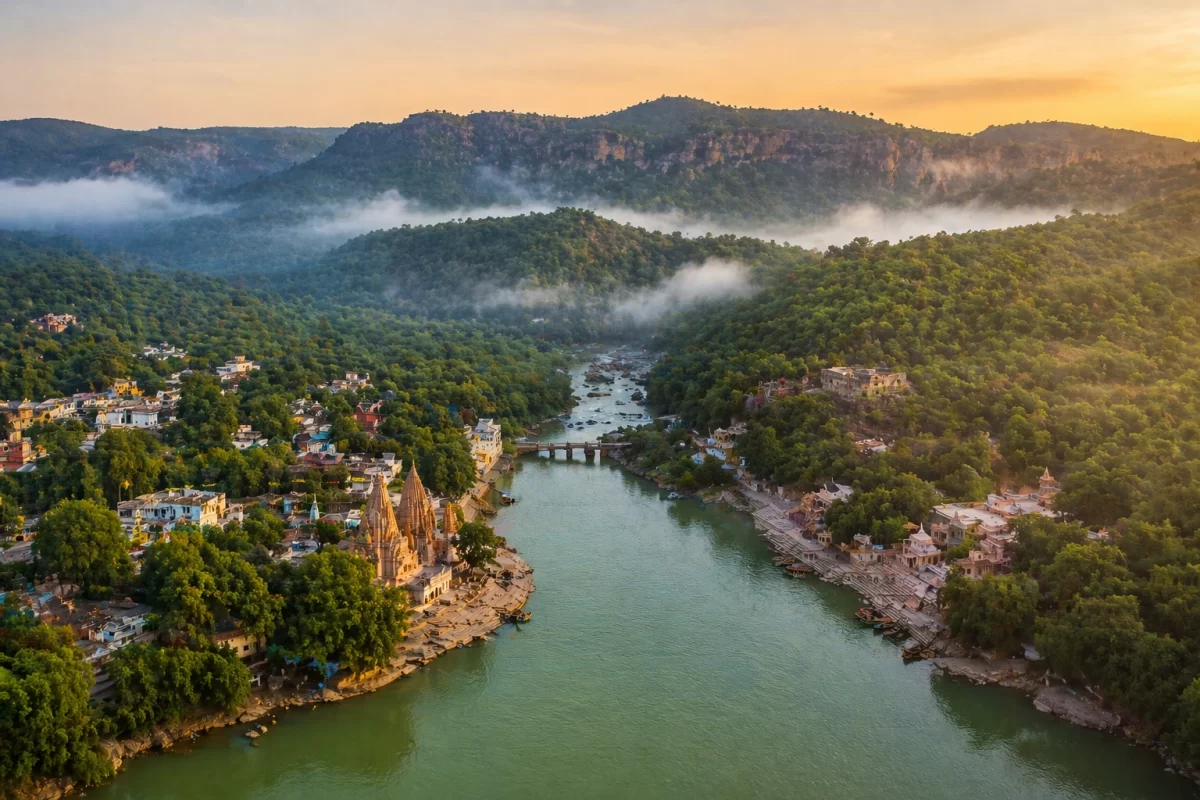
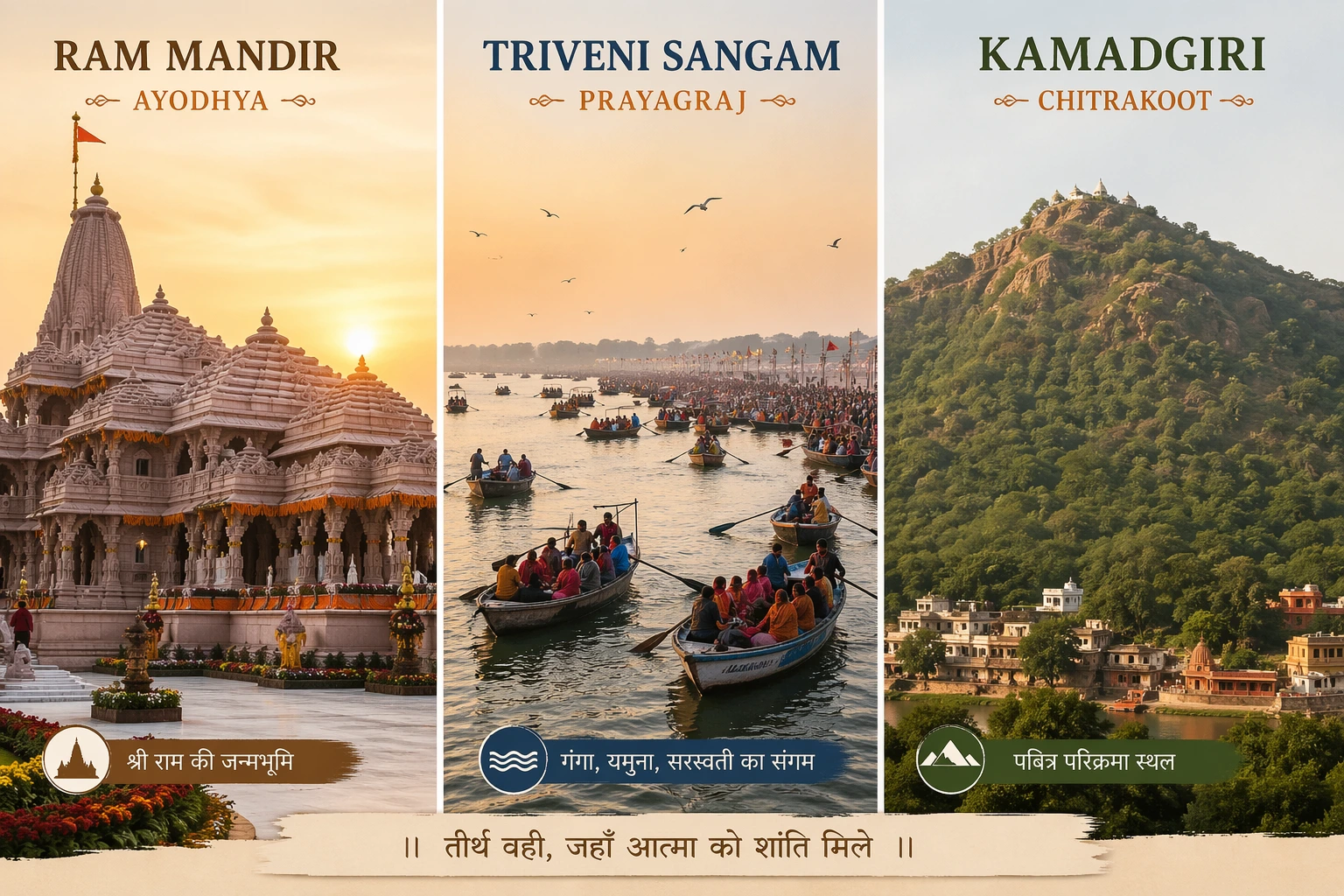
As the monsoon retreats, the landscape across this entire region transforms beautifully. Temperatures drop to a comfortable 20–28°C, roads are clear, and the forests around Chitrakoot turn lush and green. This is one of the most scenic times to do the Kamadgiri Parikrama in Chitrakoot — the 5 km sacred circuit around the holy mountain feels manageable and meditative in this weather.
In Ayodhya, November brings the grand celebration of Diwali and Deepotsav — a state-level event where the banks of the Saryu River are lit with hundreds of thousands of diyas. If you have always dreamed of witnessing Ayodhya during Diwali, this is your window. The Saryu Aarti during these months is especially magical.
December – January: Peak Pilgrim Season
This is the busiest and most spiritually charged period across all three destinations. Temperatures range from 6–18°C — cold, but perfectly manageable with a light jacket or shawl.
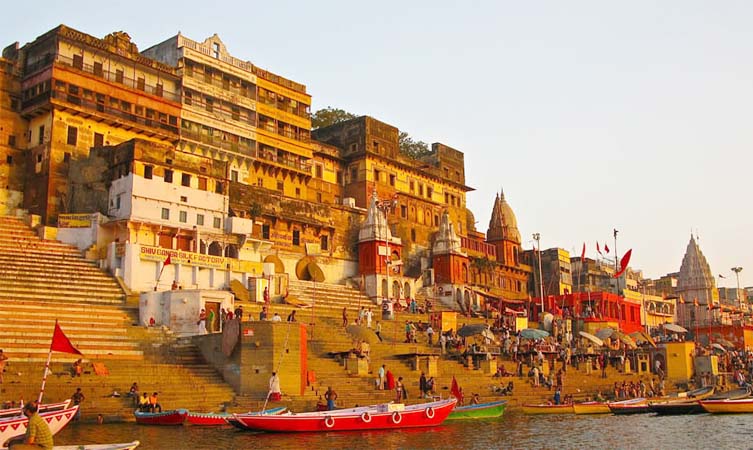
In Prayagraj, the Magh Mela begins in January, drawing millions of pilgrims to the Triveni Sangam for holy dips at the confluence of the Ganga, Yamuna, and the invisible Saraswati. This is also the time to experience Sangam darshan at its most powerful — the ghats fill with sages, devotees, and the sound of bhajans at every hour.
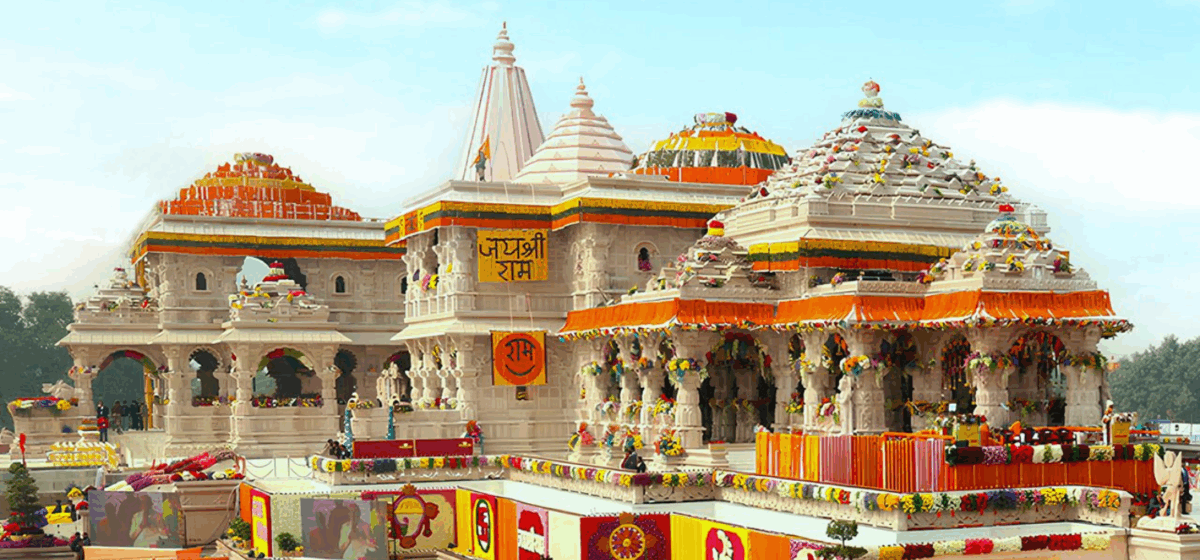
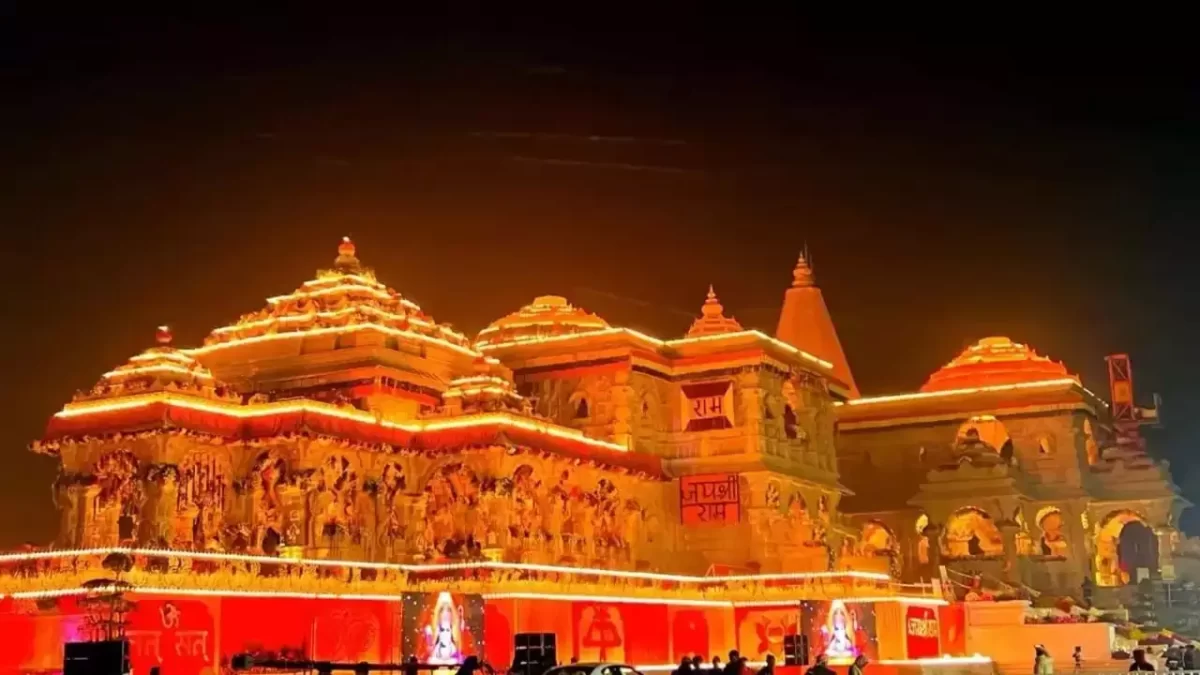
In Ayodhya, the newly consecrated Ram Mandir draws enormous crowds during this period. Arriving early morning for darshan is highly recommended. The Saryu Aarti in winter evenings, with mist rising from the river and the fragrance of incense in the air, is an experience that stays with you for life.
February – March: Comfortable Weather & Ram Navami
February is arguably the most peaceful month to visit all three cities together. The cold has eased, crowds thin out slightly after the Magh Mela, and Chitrakoot’s ghats offer a calm, unhurried darshan experience.
March, however, changes everything. Ram Navami — the birthday of Lord Ram — is celebrated with extraordinary devotion in Ayodhya. Lakhs of pilgrims pour into the city from across India. Hotels fill up weeks in advance. If you are planning to visit during Ram Navami, book your accommodation and transport at least 4–6 weeks ahead.
Month-Wise Weather & Crowd Guide
| Month | Temperature | Crowd Level | Best For |
|---|---|---|---|
| October | 22–30°C | Medium | Chitrakoot forest walk, Saryu Aarti |
| November | 15–25°C | Medium-High | All 3 cities, Diwali in Ayodhya |
| December | 8–18°C | High | Magh Mela, Prayagraj Sangam |
| January | 6–16°C | Very High | Sangam holy dip, Ram Mandir darshan |
| February | 12–22°C | Medium | Chitrakoot, peaceful ghats |
| March | 18–28°C | Very High | Ram Navami in Ayodhya |
April to June: Avoid If Possible
If you have any flexibility in your travel dates, it is strongly advisable to skip the summer months for this pilgrimage circuit.
By April, temperatures begin climbing steeply. In May and June, the mercury regularly crosses 42–45°C across Ayodhya, Prayagraj, and Chitrakoot. The sun is relentless from as early as 8 AM, and outdoor temple visits, riverside ghats, and parikramas become genuinely physically draining.
The Kamadgiri Parikrama in Chitrakoot — a 5 km barefoot walk around the sacred hill — is especially gruelling in this heat. What should be a peaceful spiritual experience can quickly become a health risk, particularly for elderly pilgrims and families travelling with young children.
Even the Sangam area in Prayagraj and the Ram Mandir complex in Ayodhya lose much of their charm in summer. Crowds thin out, but the oppressive heat makes extended sightseeing nearly impossible.
Bottom line: Unless you have no other option, avoid April, May, and June entirely.
July to September: Monsoon Season
The monsoon arrives in Uttar Pradesh around late June and stays through September. While the rains bring visual relief from the summer heat, they also create significant practical challenges for pilgrims.
Roads leading to Chitrakoot — especially from Satna and Banda — are prone to waterlogging and disruption during heavy spells. The Mandakini River in Chitrakoot rises considerably, and ghats can become inaccessible or unsafe. In Prayagraj, the Sangam area frequently floods, and darshan at the confluence is often restricted or shifted during peak monsoon months.
Ayodhya fares somewhat better, but long stretches of rain can disrupt outdoor aarti events and make travel between the three cities uncomfortable.
If you are someone who specifically enjoys the moody, dramatic beauty of monsoon travel and is comfortable with unpredictability, a trip in August or September can still be rewarding. But for most pilgrims — especially those on a fixed itinerary — the monsoon season is best avoided.
Key Festival Dates to Plan Around
| Festival | City | Approximate Month |
|---|---|---|
| Ram Navami | Ayodhya | March – April |
| Diwali / Deepotsav | Ayodhya | October – November |
| Magh Mela | Prayagraj | January – February |
| Kumbh / Maha Kumbh | Prayagraj | Every 12 years |
| Ramghat Kartik Mela | Chitrakoot | October – November |
Pro Tip: If your dates overlap with Ram Navami or Deepotsav in Ayodhya, or the Magh Mela in Prayagraj, plan to book your cab, hotel, and tour at least 4–6 weeks in advance. These festivals draw millions of visitors, and last-minute arrangements are difficult and expensive.
Plan Your Trip with Ayodhya Car Hire
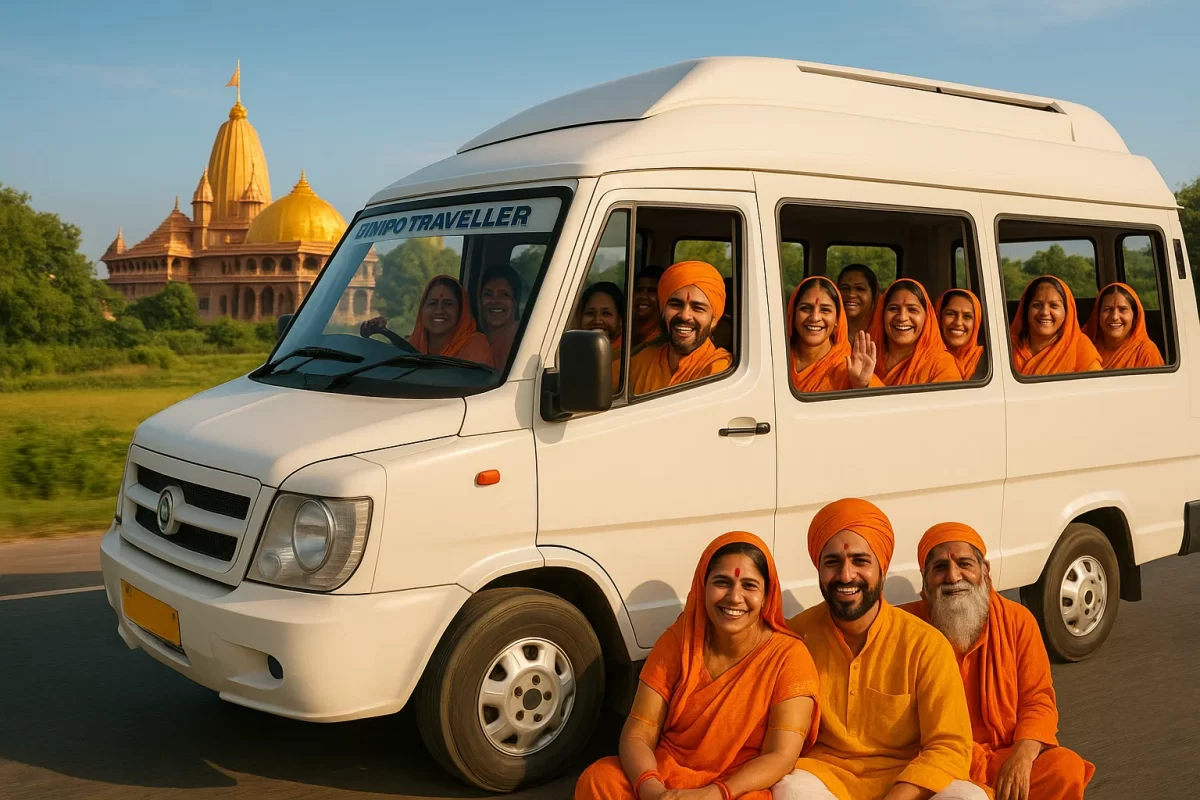
Now that you know the best time to visit Ayodhya, Prayagraj, and Chitrakoot, the next step is to plan your journey with a reliable travel partner. At Ayodhya Car Hire, we offer a 3 Nights 4 Days Ayodhya with Prayagraj & Chitrakoot Tour Package that covers all three sacred cities with an AC cab, comfortable hotel stay, and guided sightseeing — so you can focus entirely on your darshan without worrying about logistics.
📞 Call us at +91 9517484252 to check availability and get a free quote. Whether you are travelling during Ram Navami, Magh Mela, or planning a quiet winter pilgrimage, we will make sure your trip is smooth, comfortable, and truly memorable.